
A word you will read often: “zone”
Before we come to the zone, here is how the Kingdom is divided administratively. Please note: in most countries the city is the basic unit, but in Saudi Arabia the basic unit is the region:
A zone is a geographical area drawn on the map with official boundaries. It may be a neighbourhood, a group of neighbourhoods or a major project within a city, designated by the Council of Ministers, within which resident and non-resident foreigners are permitted to own property.
There are currently 917 zones across all regions of the Kingdom, and each zone has its own rules: who may own property there, and which uses are permitted (residential, commercial, industrial…). So the first question for any property is: is it within a zone permitted for your category? This is the first thing we verify for you.
Because zones are drawn at the level of cities and neighbourhoods, the rules may differ between two cities in the same region. In the Makkah Region, some zones are for Muslims only, while the remaining zones are open to all faiths, as in Jeddah and Taif: both lie in the Makkah Region, yet they are open to all faiths. The same applies to the Madinah Region. In all other zones across the Kingdom, ownership is open to all faiths.
Who is eligible to own property?
This information is intended first and foremost for non-resident foreigners who live outside the Kingdom: those who have visited for Umrah, Hajj or to visit the Prophet’s Mosque and whose hearts have remained attached to it; those who have visited once for work or tourism; and those who have not yet visited but are looking for an investment opportunity in a growing market.
Non-resident foreigners, from any country in the world
You do not need to be resident in the Kingdom, nor to have visited it before. All that is required is the intention to own or invest.
Within the designated zones you acquire full, permanent ownership, whether residential, commercial or investment property depending on the zone, with no upper limit on the number of properties. You may sell whenever you wish, invest, and pass your property on to your heirs.
Foreign Ownership Zones for Non-Residents in Saudi Arabia
917 officially designated geographical zones across all regions of the Kingdom. These are the leading cities, and each city has a detailed guide with its map and market figures.
Makkah Region
A vast region with many cities, divided into two parts with different rules:
Makkah zones (for Muslims only)
12 zones for resident and non-resident Muslim foreigners: Jabal Omar, Makkah Towers, Ajyad Tower, Masar, King Salman Gate, Thakher Makkah, Al-Manar, Dahiyat Somow, Tilal Village, and Makkah Areas (1), (2) and (3).
For Muslims onlyResident and non-resident
Makkah Region zones (all faiths)
Jeddah: 57 zones covering all uses, including Downtown Jeddah, Al-Arous and 55 development areas. In Taif, Rabigh, Al-Lith, Al-Qunfudhah, Khulais, Al-Jumum, King Abdullah Economic City and elsewhere, there are 58 zones for residential and mixed residential-commercial use.
All faithsResident and non-resident
Madinah Region
It, too, is divided into two parts:
Madinah zones (for Muslims only)
10 zones for resident and non-resident Muslim foreigners: Rua Al Madinah, Downtown Madinah, Dar Al Hijrah, Mishraf, Al-Ghurrah, Diyar Al-Maqar, Al-Mahwa, Knowledge Economic City, and Madinah Areas (1) and (2).
For Muslims onlyResident and non-resident
Madinah Region zones (all faiths)
AlUla: 17 zones covering all uses. In Yanbu, Yanbu Al-Nakhl, Al-Mahd, Al-Hanakiyah, Al-Ais and elsewhere, there are 111 zones for residential and mixed residential-commercial use.
All faithsResident and non-resident
Riyadh City
8 zones at the heart of the giga-projects: KAFD, Diriyah Gate, New Murabba, King Salman Park, Sports Boulevard, King Salman International Airport, Qiddiya and Sedra.
All faithsResidentialCommercialResident and non-resident
Eastern Region
Dammam, Khobar, Dhahran, Qatif and Al-Ahsa: extensive zones covering all uses.
All faithsAll usesResident and non-resident
Other regions
Asir, Tabuk, Jazan, Najran, Al-Baha, Hail, Al-Qassim, Al-Jouf and the Northern Borders: hundreds of zones, most of them with no restrictions on use.
All faithsResident and non-resident
In every city, ownership is permitted at all stages of development, including off-plan purchases from a licensed developer. Within the urban boundaries of Riyadh City and Jeddah Governorate, an additional zone is allocated to comprehensive development projects on plots of 80,000 square metres or more.
Steps for Non-Resident Foreigners to Own One or More Properties in Saudi Arabia
Six steps, and we are with you at every one of them.
- Digital IDIssued to non-resident foreigners through the Saudi embassy or consulate in your country, it is the key to accessing Saudi Arabia’s government e-platforms.How to obtain it:• Visit the Saudi Ministry of Foreign Affairs website, create an account, fill in your details and upload the required documents, then book an appointment at the embassy or consulate.
• On the day of your appointment, visit the embassy or consulate, submit your documents and register your fingerprints.
• Once it has been confirmed that all requirements are met, you will receive a notification that your Digital ID has been issued. - Saudi SIM cardA Saudi mobile number used to activate the Digital ID issued to you by the embassy or consulate, and linked to two government platforms. The first is Absher, the Ministry of Interior’s e-services platform. The second is Nafath, the National Single Sign-On, the secure gateway to government platforms. Verification messages for logging in to the official platforms are sent to this number.
- Bank accountAn account in your name with a bank in the Kingdom makes payments and settling fees easier and faster. The choice is yours: you may transfer your funds to your account first and pay from it, or transfer directly to the developer. We will advise you on the method that suits you best.
- Choosing the propertyWhether your aim is a home or an investment, we will recommend the most suitable property in the city and zone you prefer, of the type that suits you: a villa, an apartment, a shop, a building or a hotel, in line with your budget. Before any step, we verify that the property lies within a zone permitted for your category and that its title deed is sound in the Real Estate Registry.Tell us what you are looking for, and we will send you the available options:WhatsAppCallEnquiry form
- Application and documentsThe ownership application is submitted online through the Saudi Properties portal, the official government platform.Required documents:• Digital ID number.
• Passport.
• Saudi mobile number.
• Bank account in the Kingdom.
• Details of the property you have chosen.Paid online:• Real Estate Transaction Tax.
• The service fees shown to you on the portal before payment.Details under Tax and fees. - Title deed in your nameThe contract is notarised, the title deed is issued and the property is registered in your name in the Real Estate Registry. From that moment the property is yours: you may invest in it, sell it or keep it.
Do not worry about the steps: we help you with all of them from start to finish, until the title deed is issued in your name. We recommend that the process be handled through a real estate broker licensed by the Real Estate General Authority (FAL), who will verify every property for you and protect your rights.
Joint ownership with another person, whether a foreigner or a Saudi, is permitted in specified shares, and the property may be mortgaged for financing in accordance with the regulations.
Tax and Fees for Buying Property in Saudi Arabia
Government fees are set by law, and they differ between the time of purchase and the time of sale.
When you buy the property
| Item | Rate | Note |
|---|---|---|
| Property price | As agreed | Paid from your bank account in the Kingdom to the seller or developer. |
| Real Estate Transaction Tax (Zakat, Tax and Customs Authority) | 5% of the property value | Legally borne by the seller, unless you agree in the contract to bear it yourself. |
| Non-Saudi ownership fee (Real Estate General Authority) | None at purchase | The fee is charged on sale only, as shown in the following table. |
When you sell the property later
| Item | Rate | Where |
|---|---|---|
| Real Estate Transaction Tax | 5% of the sale value | Throughout the Kingdom, payable by every seller, Saudi or non-Saudi |
| Non-Saudi property disposal fee (Real Estate General Authority) | 2% of the sale value | Riyadh City, Jeddah Governorate, Makkah, Madinah |
| The same fee | 0% | Rest of the Kingdom |
The 2% fee is zero in certain cases, including: division of an estate, enforcement of a final court judgment, expropriation in the public interest, transfer of the property to a company or fund in the Kingdom that you wholly own, and the sale of units you have developed on land you purchased, provided the development is completed within the licence period. Undeveloped land within the cities covered is subject to the White Land Tax, as it is for any owner.
About us
Kanes AL Foras Real Estate… a bridge between international investors and the Kingdom’s opportunities
Kanes AL Foras Real Estate is a Saudi company founded in 2024 as part of Gate Istanbul Real Estate Group’s expansion into the Saudi market. It is licensed by the Real Estate General Authority under FAL licence no. 1200034852 for real estate brokerage and marketing, and its commercial registration (Unified National Number) is 7043113815. Its purpose is to serve as a bridge between international investors and the Kingdom’s opportunities under Vision 2030. Kans is owned by Gate Istanbul Real Estate in Türkiye.
International experience since 2012
The Group has been active in international real estate markets since 2012, in Türkiye and the UAE, and has accompanied many investors of various nationalities from their very first question through to the transfer of ownership. Today it places this experience at the service of investors wishing to own and invest in the Kingdom.
A presence on the Saudi scene
Kans attended the Real Estate Future Forum in Riyadh by invitation, its founder has taken part in economic delegations between Türkiye and the Kingdom of Saudi Arabia, and the company is building partnerships with developers and real estate offices within the Kingdom.
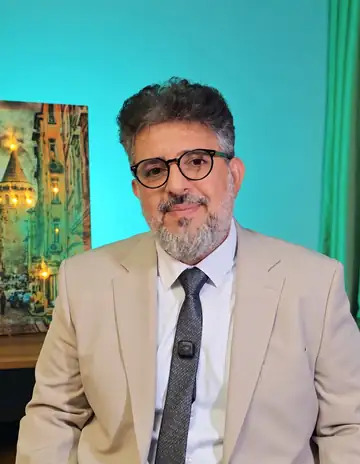
A word from the Founder & CEO
“What the Kingdom of Saudi Arabia is witnessing today is not merely growth in a property market, but a transformation that is redrawing its place on the map of global investment. Vision 2030 has made the Kingdom a destination to which investors everywhere aspire, and opening the door to ownership by non-Saudis has turned that aspiration into a real opportunity.
I began this journey in 2012 with Gate Istanbul Real Estate, followed by Dubai Evleri Real Estate in the UAE, and I have spent more than a decade building economic bridges between Türkiye, the Gulf states and the wider world, taking part in international business delegations and forums in Saudi Arabia, Qatar, the UAE and Egypt. I have seen how trust and accurate information make all the difference to an investor’s decision.
It was out of this experience that Kanes AL Foras Real Estate was born. We founded it in 2024, as soon as talk began of opening ownership to non-Saudis, in preparation for this moment. With applications from non-resident foreigners being accepted from June 2026, a door has opened that many around the world had long awaited: the chance for an investor to own property in the Kingdom in full, permanent ownership in their own name, to live in, invest in or pass on to their heirs. And for those who have visited the Two Holy Mosques and whose hearts have become attached to them, owning property in Makkah and Madinah has become an attainable dream.
We founded Kans to be the investor’s companion on this new journey: we explain the regulations to them from their official sources, choose with them the right property within a permitted zone, and accompany them at every step until the title deed is issued in their name. Kans is an extension of those bridges towards the Kingdom, placing in every investor’s hands a clear and secure opportunity in a market that is writing a new chapter in its history.”
Fuad BadawiFounder & CEO, Kanes AL Foras Real Estatefouadbadawi.com
Speak with me directly:
WhatsAppCallfuad@kans.saOur vision: to be the party investors trust before they acquire any property in the Kingdom of Saudi Arabia.
Our mission: accurate information from its official source, a property within a permitted zone with a sound title deed, and clear guidance until the title deed is issued in the investor’s name, contributing to the Kingdom’s journey towards a real estate market that attracts the world.
Our services
Real estate brokerage
We recommend the property best suited to your goal and budget, whether a home or an investment, verify its zone and title deed, and accompany you through every step until the title deed is issued in your name.
Marketing developers’ projects
We market the projects of licensed developers to investors inside and outside the Kingdom, bringing each project to those who are looking for it.
Marketing properties for their owners
If you own a property and wish to sell it, we will market it for you and bring it to the right buyers.
Rental brokerage
We help property owners, wherever they may be, to let their properties, bringing them to the right tenants and following up on the contract procedures with them.
Why Kanes AL Foras Real Estate?
A licensed broker inside the Kingdom
Dealing with a licensed real estate broker protects your rights and ensures that every step complies with the regulations. Kans is licensed by the Real Estate General Authority (FAL) under no. 1200034852, and you can verify this number through the official enquiry service.
We understand the investor coming from abroad
The owners of Kans have worked in international real estate markets since 2012, in Türkiye and the UAE, with investors of many nationalities, and they know your questions before you ask them.
Tell us your goal, and we will send you what suits it
A family home, a property to let, or land to develop: send us the city and your approximate budget, and we will come back to you with the options available within the permitted zones, together with their market figures.
Phone: +966 50 032 4905
Email: contact@kans.sa
Please send us your enquiry using the form
Frequently Asked Questions about Foreign Ownership in Saudi Arabia
What does “full ownership” mean?
I am a resident of the Kingdom. What am I entitled to?
I am a citizen of a GCC country. Does this law apply to me?
Can companies and funds own property?
Is ownership truly permanent, or is it for a fixed term?
How many zones have been designated for foreign ownership in Saudi Arabia?
Is it possible to own property outside the zones?
Can a foreigner buy land in Saudi Arabia?
Can foreigners buy an apartment in Makkah or Madinah?
How do non-resident foreigners obtain a Digital ID?
Can non-resident foreigners open a bank account in Saudi Arabia?
Is a passport sufficient?
Can I let and manage the property from abroad?
Does buying property in Saudi Arabia grant residency?
What happens to my property if I leave the Kingdom for good, or if the zone changes later?
Can I buy off-plan?
Are the Real Estate Transaction Tax and the 2% fee paid only once?
• Real Estate Transaction Tax of 5%: paid once on each sale, and legally borne by the seller.
• The 2% fee: paid once by the non-Saudi owner on selling the property, and only in Riyadh City, Jeddah Governorate, Makkah and Madinah.
So if you later sell in one of these cities, the total you pay on sale is 7% (5% + 2%), and in the rest of the Kingdom only 5%. There is no additional fee on purchase for being a foreigner.
Who pays the 5% Real Estate Transaction Tax: the seller or the buyer?
Is there an annual property tax in Saudi Arabia?
Are there taxes on rental income in Saudi Arabia?
• Rent on commercial property, such as shops and offices: subject to 15% VAT if the landlord is VAT-registered.
Income tax on rental income for non-Saudi owners varies according to the circumstances and the form of ownership (individual or company), and we will explain it to you in light of your situation before purchase.
How much does Kans charge for its services?
• If you choose a property in a project by a developer we market: the developer pays our commission, and you pay us nothing.
• If you ask us to search for a specific property to meet your requirements: we charge you a brokerage commission set out in a written brokerage contract. The Real Estate Brokerage Law sets it at 2.5% of the transaction value, and a higher or lower rate may be agreed in writing depending on the service required.
In either case, you will have everything clearly in writing before any step is taken.
Official sources
- Law of Real Estate Ownership by Non-Saudis – Real Estate General Authority (Royal Decree No. M/14 dated 19/1/1447 AH, in force since 22 January 2026)
- Implementing Regulations – Umm Al-Qura Gazette, 3 July 2026 and Council of Ministers Resolution No. (43)
- Saudi Properties portal — Zones (as of 16 October 2026) — How to get started — FAQ
- Real Estate Transaction Tax – Zakat, Tax and Customs Authority
- Articles relied upon: the Law, Articles 1 to 4 and 8 to 12; and the Implementing Regulations, Articles 2 to 10. The wording on this page is condensed, and the official text is the authoritative reference.
This information is a general explanation that is reviewed on an ongoing basis; the decision on any specific property is made through the Saudi Properties portal when the application is submitted.